Skip to content
ALİ YAMAÇ
ALİ YAMAÇ

  • HOMEPAGE
  • BOOKS
  • ARTICLES
  • CONFERENCE PROCEEDINGS
  • POSTERS
  • ODDS & ENDS
ALİ YAMAÇ

ODDS & ENDS

” I’m fascinated by people who devote their lives to one specific subset of knowledge, whose thinking becomes deep rather than broad, who come to know the world through the prism of baking, say, or car engines. What are the random quirks of fate, the pragmatic or romantic impulses, the formative experiences that cause people to specialise in one area rather than another? Why does a doctor choose to become an authority on the liver, heart or colon? Why does a geologist turn to the Cambrian, the Permian, the Triassic?”

Helen Gordon; Notes From Deep Time, A Journey Through Our Past and Future Worlds, 2021, London


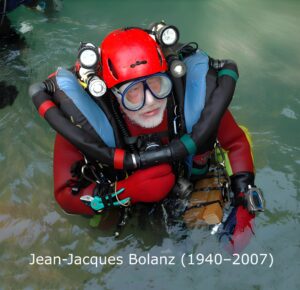
Arbeitsgemeinschaft für Höllochforschung (AGH) is perhaps one of the most interesting cave societies in the world. It was founded in 1949 by Alfred Bögli to explore the Hölloch Cave in Switzerland, Muotathal.

Its founding charter specifically states that the society will explore only this cave. Well, if your cave is 211 km long and new passages are being discovered every year, you wouldn’t look for another cave, would you? 


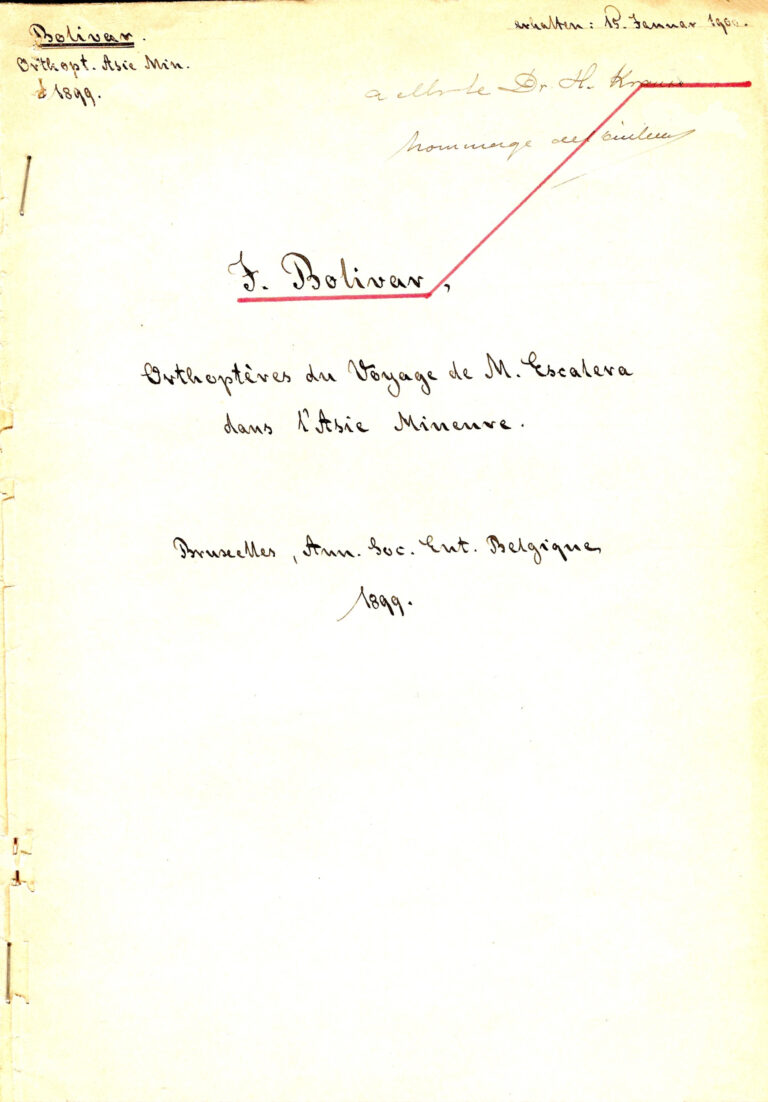
The oldest known biospeleological article from Turkey is the one titled “Orthopteres du Voyage de M. Martinez Escalera dans L’Asie Mineure,” published in the 43rd volume of the journal Extraits des Annales de la Societe Entomologie de Belgique in 1899, and written by Ignacio Bolivar.

The Spanish entomologist M. Martinez Escalera, during his journey through Anatolia, visited caves in Kahramanmaraş and Hatay, collected specimens, and discovered three new species. He submitted these specimens to Ignacio Bolivar. In this article, published in 1899, Bolivar announced the cave locust species Dolichopoda pusilla (Akbez Cave), Dolichopoda aranea (Yenicekale Cave), and Troglophilus escaleria (Yenicekale Cave) to the scientific world, and named the new species found in the Yenicekale cave after M. Martinez Escalera, who collected the specimens.


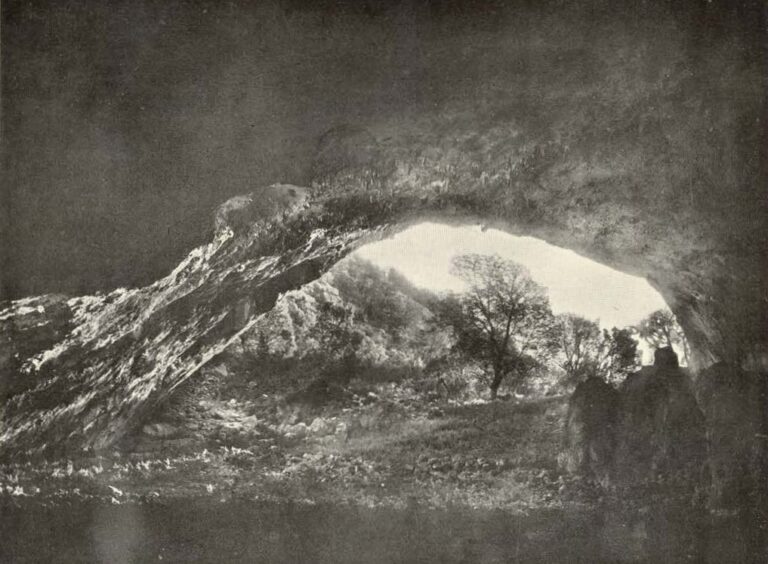
This photograph, featured in Giuseppe Moretti's article 'In-Daghindà Qogia-ln' published in the Annuario della Reale Scuola Archeologica di Atene e delle, 1924, issue 6-7, is the oldest known photograph taken in a cave in Turkey.


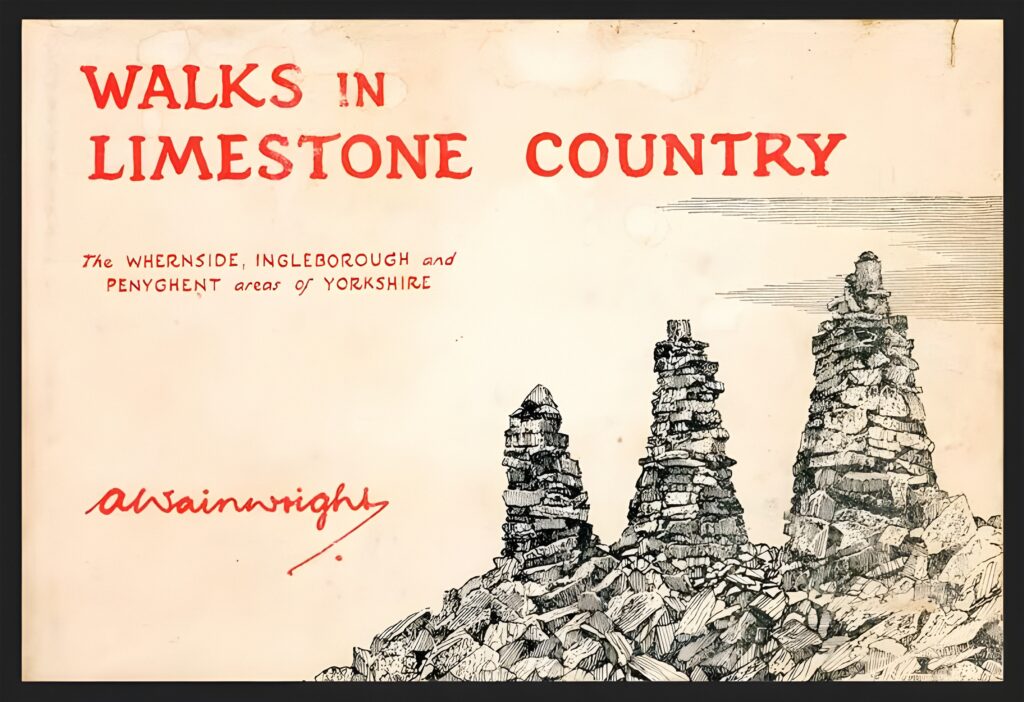
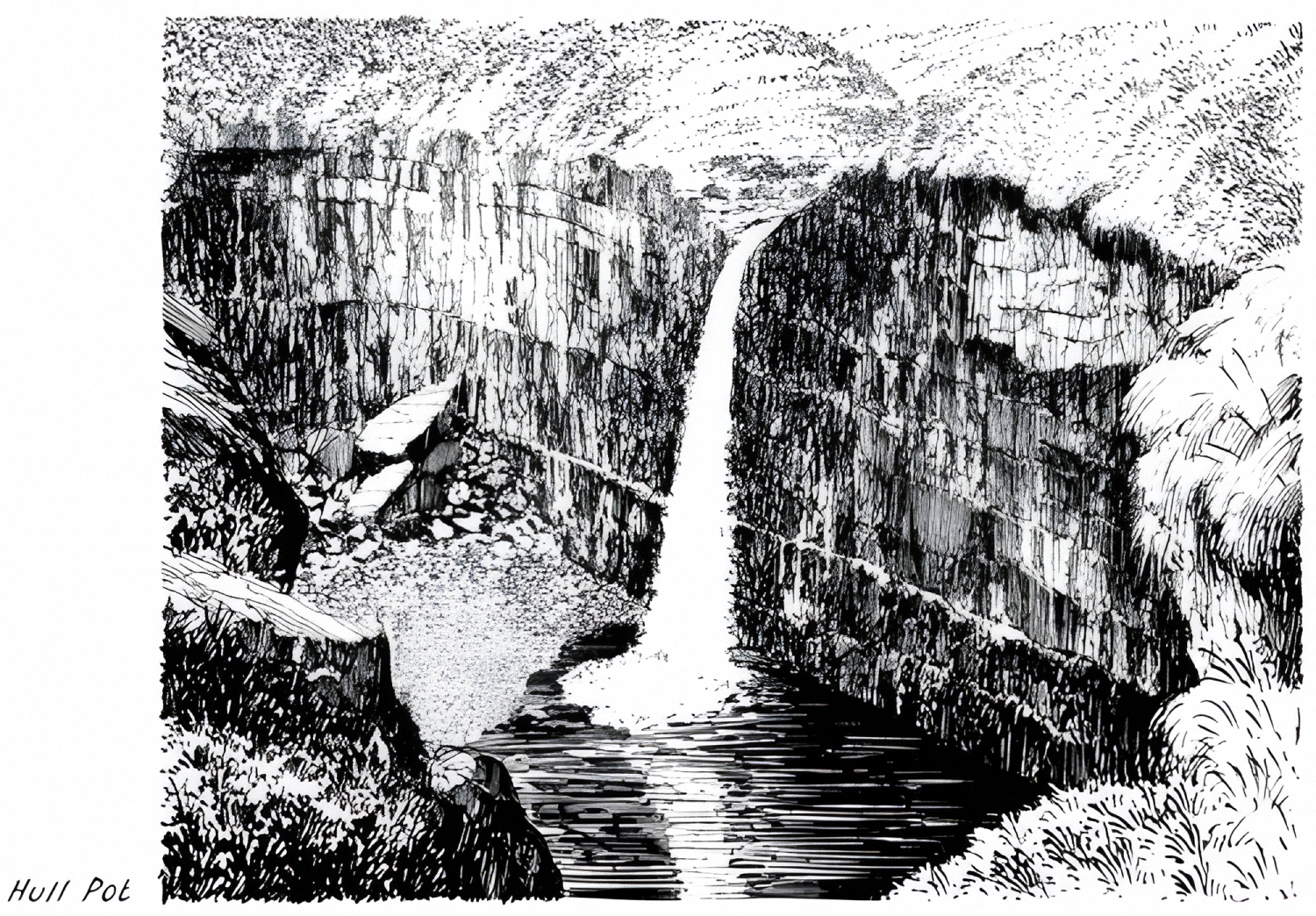
Walks in the Limestone Country - Alfred Wainwright
In his introduction to the book, Alfred Wainwright wrote: ‘... the delights of this limestone countryside are not obviously in view. The delights are there, in full measure and in amazing variety, but they have to be sought on foot. It is a land of surprises. For the explorer there are places of fascinating interest, of strange beauty, of thrilling adventure, such as are not to be found elsewhere. This is a region unique, without a counterpart, but its charms are shyly hidden.’

 In Praise of Limestone

... but when I try to imagine a faultless love
Or the life to come, what I hear is the murmur
Of underground streams, what I see is a limestone landscape.

W.H. Auden 1947


An image of our close friend Gammarus obruki sp. can be seen on our club’s emblem. It is a newly discovered species that lives in Amasra’s Inderesi Cave and is named after our club. Capturing this extraordinarily swift and transparent creature, which is around 7 mm in size, without harming it, and then finding both a female and a male was no easy task in cave conditions.

(The article)


©2026 ALİ YAMAÇ